The Future of Pharmacies
April 14, 2026

Pharmacies in Austria are facing a structural shift that is often underestimated. While discussions tend to focus on digitalization and competition, something far more fundamental is happening in the background: the way work is organized is changing.
At the center of this shift is workforce structure and in particular, the growing move toward part-time employment.
Part-time work is becoming the new normal in pharmacy operations
Recent data clearly shows where the industry is heading. According to the Apothekenmonitor 2025 by Treuhand Hannover, part-time work is no longer a marginal phenomenon; it is now shaping everyday operations in pharmacies.
Even among younger employees, only about half of them work full-time, and the share decreases further with age. (Pharmazeutische Zeitung)
This shift has direct operational consequences.
- Fewer working hours per employee mean more coordination, more complex scheduling and above all: less buffer in the system.
- At the same time, the study highlights that staff shortages are already being felt today, directly impacting workload, workflows, and service quality. (treuhand-hannover.de)
The result is clear: pharmacies are becoming more vulnerable to disruptions, especially when it comes to short-term staff absences.
Austria is responding and thinking long-term
Austria has already recognized this development. The Austrian Pharmacists Association has deliberately extended its workforce campaign and is now targeting younger generations more proactively. The focus is clearly on attracting new talent: reaching new audiences through social media, building partnerships with schools, and actively promoting pharmacy-related career paths. At the same time, the PKA (pharmaceutical commercial assistant) apprenticeship is already among the most popular training programs for young women in Austria. (OTS.at)
This shows one thing very clearly: Staff shortages are no longer seen as a temporary issue, but as a long-term structural challenge.
And yet, this creates a paradox. While the industry invests in the future, the operational challenge remains unchanged:
What happens today when someone calls in sick?
Why short-term absences escalate faster today
Many pharmacies still operate on a model optimized for efficiency, not for resilience. As long as the team is fully staffed, this system works. But the moment someone is absent, bottlenecks appear immediately. The rising share of part-time employees further amplifies this effect. There are simply fewer available hours per employee and therefore less flexibility to absorb unexpected absences internally.
The consequences are immediate. Teams come under pressure, workflows slow down, and overall stress levels increase. A system that is already tightly calculated becomes unstable very quickly.
The pharmacy of the future: less improvisation, more structure
The key question for the future is no longer: “How do we find more staff?”
But rather: “How do we build systems that still work when staff is missing?”
Successful pharmacies will shift their approach accordingly.
They will move toward flexible capacity models instead of rigid schedules, leverage digital tools to reduce operational pressure, and actively eliminate tasks that unnecessarily consume staff time.
One area where this shift is particularly relevant is OTC sales.
Rethinking OTC availability as a strategic lever
OTC products are a core part of daily pharmacy operations, but they also consume valuable time that could be better spent on consultation and patient care.
This is where a new approach comes into play. Not every service needs to be tied to on-site staff.
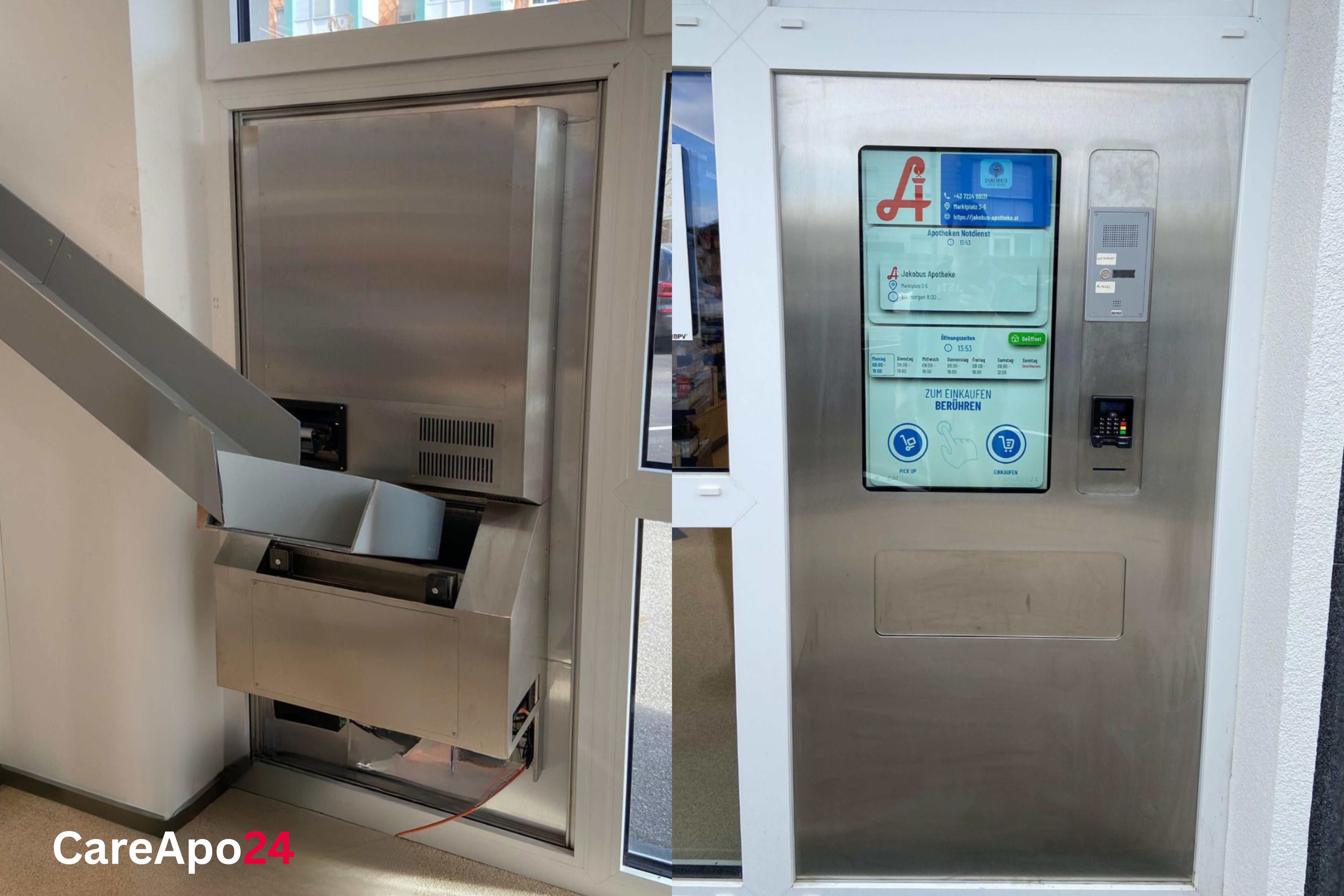
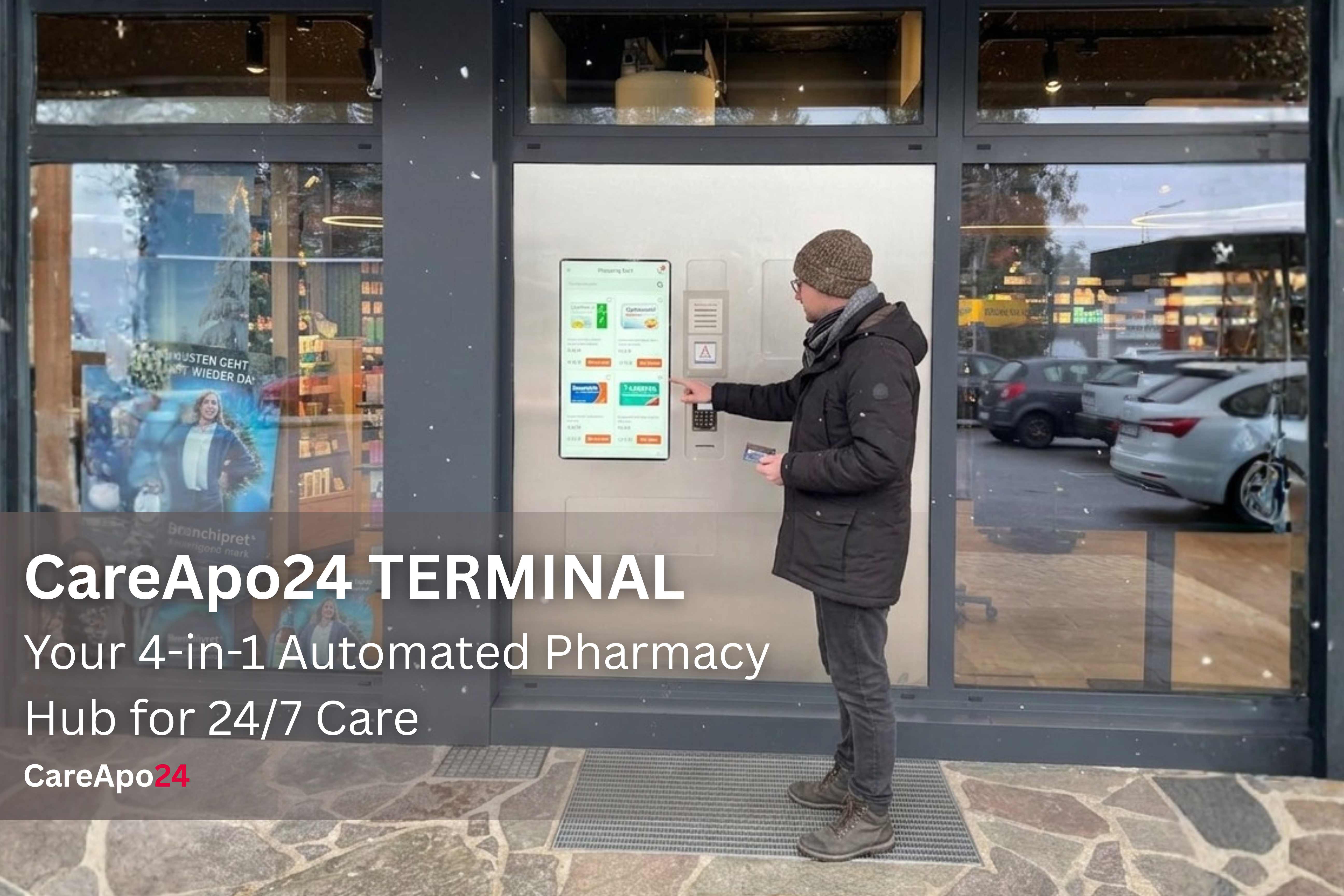
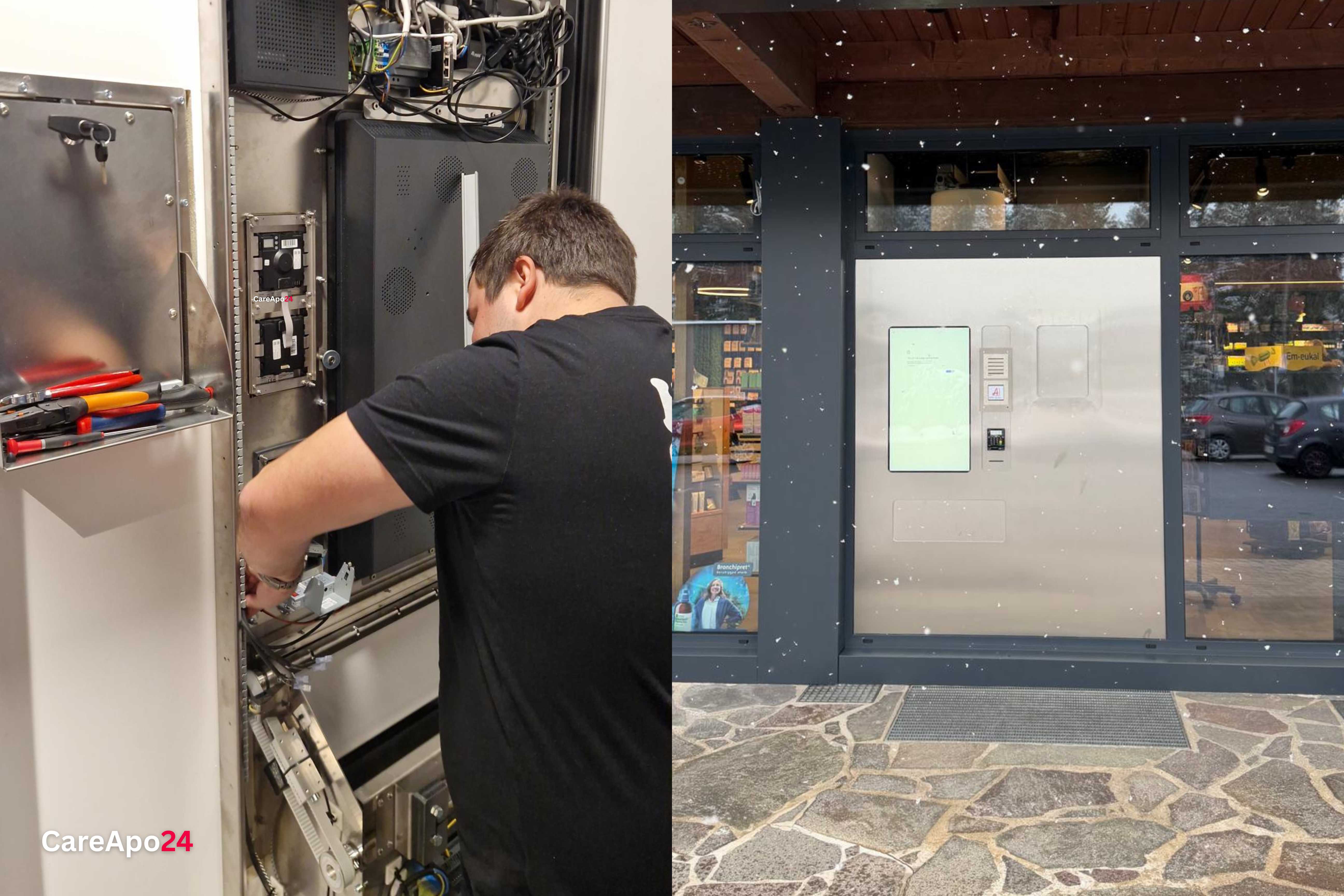
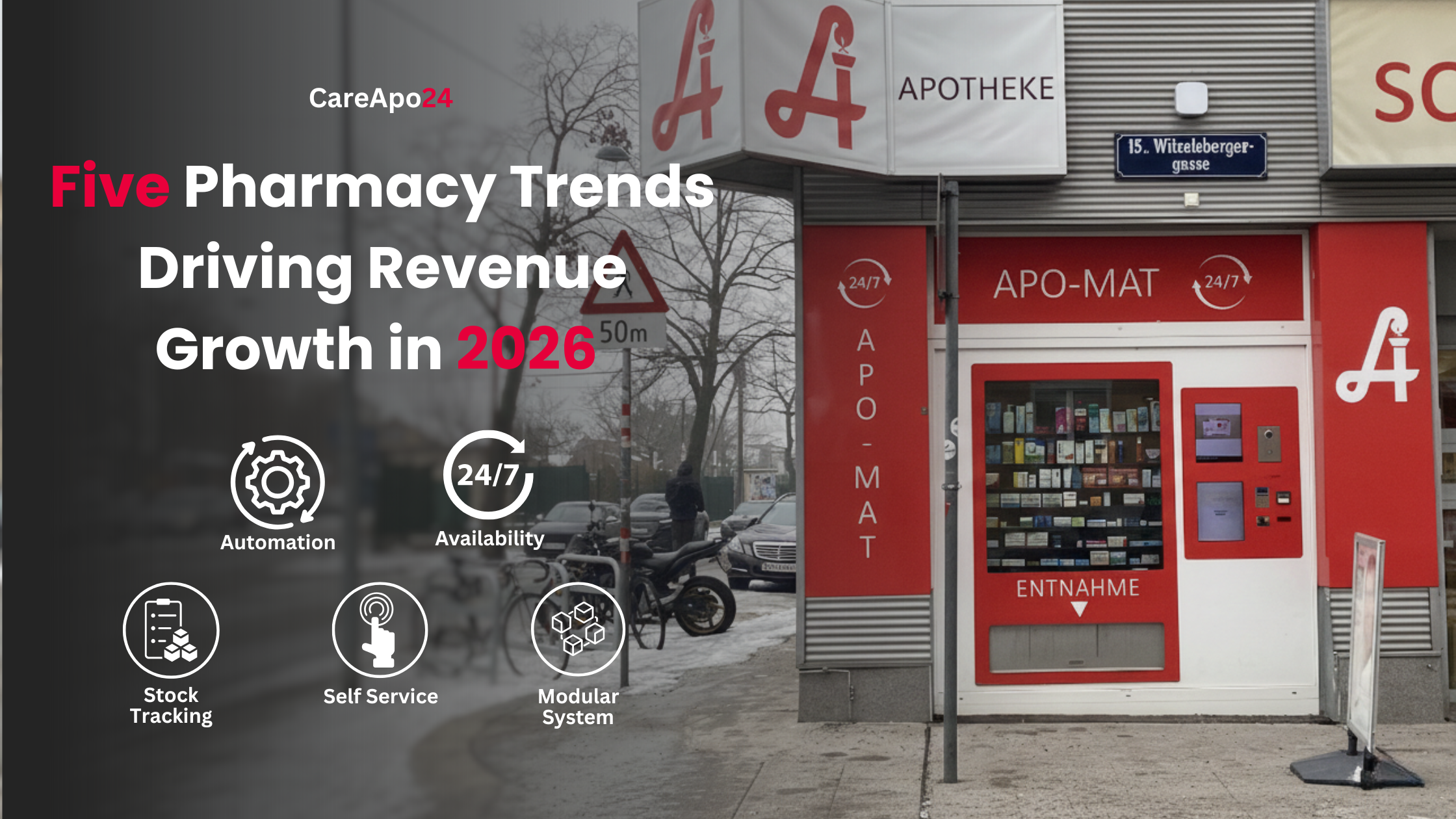
With solutions like CareApo24, pharmacies can offer 24/7 access to OTC products, independent of opening hours or staffing constraints.
This creates immediate benefits:
- Less pressure on teams during daily operations
- Reduced impact of short-term staff shortages
- Improved and more consistent access for customers
In an environment increasingly shaped by workforce constraints, this becomes a clear competitive advantage.
Conclusion: Stability becomes the new competitive edge
The future of pharmacies - in Austria and beyond - will be shaped by three key trends:
- A growing share of part-time work
- Increasing competition for talent
- Rising operational pressure in daily business
These factors are unlikely to change in the short term. What can change, however, is how pharmacies respond to them. Those that build resilient systems and actively reduce operational strain will be able to maintain stability, even when conditions are less than ideal.
And ultimately, that is what will define success:
Not perfect staffing but a system that works even without it.